
- Asset Depreciation: Without intervention, rapid GLP-1 weight loss liquidates your metabolic engine — up to 40% of weight lost is lean muscle
- Biochemical Shield: Beta-Hydroxybutyrate (βHB) from ketosis inhibits leucine oxidation, effectively "locking" amino acids in muscle tissue during a caloric deficit
- Tension over Trauma: High-intensity cardio on a calorie-restricted body is catabolic. You need controlled, biomechanically precise strength training
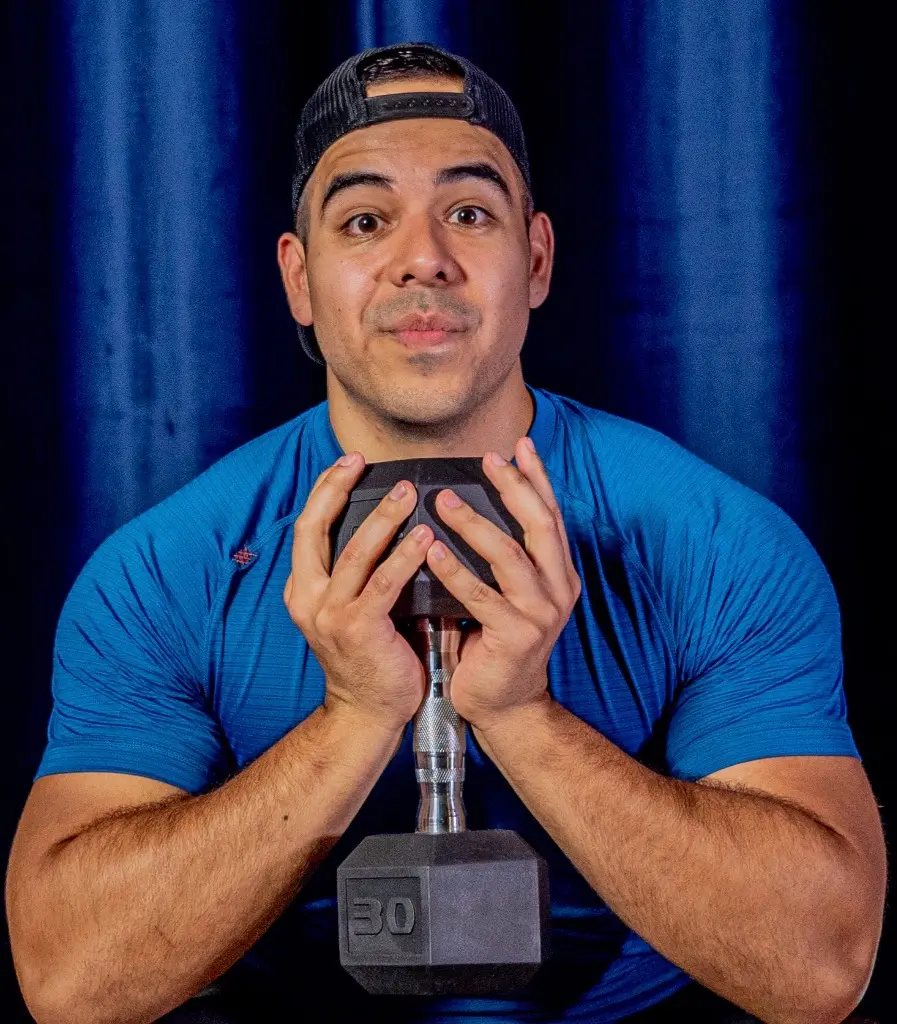
- The RxFit Method: Danny Trejo (CES) + Nini Maine (Functional Nutritionist) combine clinical nutrition with corrective mechanics for "Asset Protection"
The defining health challenge of 2026 is not weight loss; it is muscle preservation. While GLP-1 agonists (Semaglutide/Tirzepatide) effectively reduce mass, up to 40% of that loss is lean tissue. The solution is a synergistic protocol combining Low-Energy Ketogenic Therapy (LEKT) to biochemically spare amino acids, and Corrective Strength Training to mechanically signal retention. At RxFit, we implement this "Asset Protection" strategy for Austin executives to prevent sarcopenic obesity.
Why Is Your Body "Eating" Muscle While on GLP-1s?
For the Industrial Athlete — the CEO in Westlake or the Founder in The Domain — the body is a capital asset. Taking a GLP-1 agonist without a preservation strategy is akin to selling off your most valuable machinery to pay the electricity bill. This is "Asset Depreciation."
When you induce a profound caloric deficit using agents like Semaglutide, the body follows the "Quarter Lean Mass Rule." Historically, 25% to 40% of weight lost is Fat-Free Mass (FFM). This occurs because, in a glucose-dependent state, the body breaks down skeletal muscle to convert amino acids (alanine and glutamine) into glucose for the brain via gluconeogenesis.
This leads to Sarcopenic Obesity: a condition where you weigh less, but your body fat percentage remains high because you have cannibalized your structural integrity. This lowers your Resting Metabolic Rate (RMR), creating a "metabolic trap" that makes weight regain inevitable once the medication stops.
How Does Ketosis Act as a "Biochemical Shield" for Muscle?
At RxFit, we do not guess; we follow the physiology. The solution to catabolism is to change the fuel source. By shifting into Low-Energy Ketogenic Therapy (LEKT), we alter the body's demand for glucose.
When your brain adapts to using ketones (acetoacetate and β-hydroxybutyrate) for fuel, the demand for glucose plummets. Consequently, the signal to break down muscle tissue for gluconeogenesis is attenuated.
Furthermore, the ketone body βHB acts as a powerful signaling molecule:
- Specifically inhibits the oxidation of leucine — the primary branched-chain amino acid responsible for muscle repair
- Suppresses the NLRP3 inflammasome, reducing the systemic inflammation that drives muscle wasting
Recent 2025 data from the Schiavo study confirms this: Patients on Tirzepatide combined with a ketogenic protocol retained significantly more muscle mass and strength than those on a standard low-calorie diet.
Why Is Corrective Strength Training Non-Negotiable?
Biochemistry alone is not enough; you need a mechanical signal. However, training while on a GLP-1 agonist requires a specific clinical approach. You cannot simply "go to the gym" and perform random acts of fitness.
"When you are in a caloric deficit, your recovery capacity is compromised. High-impact work is catabolic — it breaks you down. You need an anabolic signal." — Danny Trejo, CES
We prioritize Hypertrophy through Stability. Because rapid weight loss shifts your center of gravity, your proprioception (body awareness) is altered. Loading a dysfunctional joint in this state leads to injury.
The RxFit Corrective Protocol:
- Fix the Joint First
We clear "Upper Crossed Syndrome" and scapular dyskinesis before overhead pressing. We do not load dysfunction. Ever.
- Isometric Holds
We use static contraction to stimulate motor units without shearing forces on the joints — ideal for the neurologically compromised state of early GLP-1 use.
- Eccentric Loading
We focus on the lowering phase of the lift, which generates the highest mechanical tension for muscle retention with the lowest metabolic cost.
How Does RxFit Integrate Nutrition and Training?
Generic trainers tell you to "eat less and move more." That is dangerous advice for a GLP-1 patient. We treat your body as a high-performance system requiring precise calibration.
The Nutrition (Nini Maine, Functional Nutritionist): We implement a Gastroparesis-Friendly LEKT Protocol. Since GLP-1s slow gastric emptying, standard high-fat keto can cause nausea. We utilize liquid nutrition, MCTs, and texture-modified proteins to hit a target of 1.2–1.5g of protein per kg of ideal body weight. This ensures you have the building blocks for tissue repair.
The Training (Danny Trejo, CES): We bring the infrastructure to you — whether in Tarrytown or Downtown Austin. We monitor your recovery metrics. If your grip strength drops (a sign of central nervous system fatigue), we pivot to mobility and fascial release. We operate on the principle of "Minimum Effective Dose" to stimulate retention without inducing burnout.
Standard Diet vs. RxFit Asset Protection Protocol
| Feature | Standard GLP-1 Approach | RxFit Asset Protection (LEKT + Corrective Strength) |
|---|---|---|
| Fuel Source | Glucose (muscle burned for fuel) | Ketones (fat burned; muscle spared) |
| Lean Mass Risk | High (25–40% loss) | Low (protein sparing via βHB) |
| Metabolic Rate | Drops significantly | Preserved — metabolic engine protected |
| Training Focus | "Cardio" for calorie burn (catabolic) | Tension for structural integrity (anabolic) |
| Digestibility | High risk of bloating/nausea | Texture-modified for gastroparesis management |
| Long-Term Outcome | "Skinny fat" & rebound weight gain | Body recomposition & career longevity |
Troubleshooting Side Effects: An If/Then Logic List
Managing the interaction between ketosis, lifting, and GLP-1s requires somatic awareness. Use this logic flow to troubleshoot symptoms:
Protecting the P&L
For the Austin executive, your body is the vehicle for your ambition. The goal of using GLP-1s should not be to become smaller; it should be to become more efficient.
By combining the amino-acid sparing effects of Ketosis with the mechanical tension of Corrective Exercise, RxFit provides a firewall against muscle wasting. We ensure that when you reach your goal weight, you arrive with the strength, posture, and metabolic health required to lead.
Stop depreciating the asset. Optimize it.